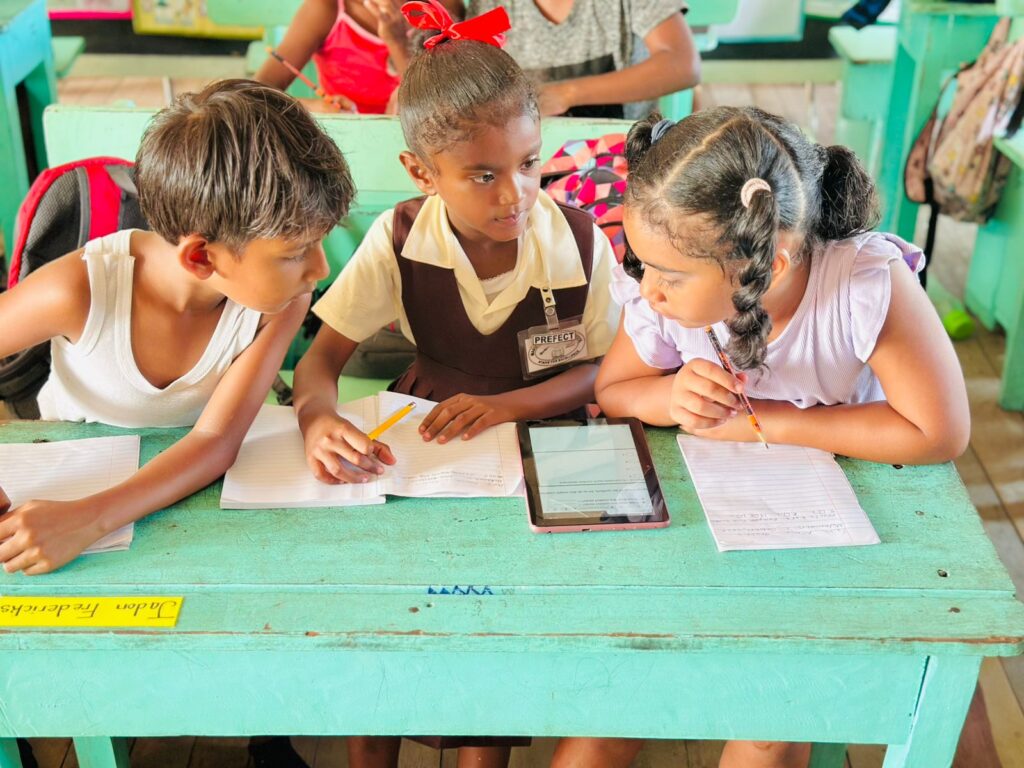
A low grade can feel like a door closing on your child’s progress. But that grade is not the full story—it’s a signal pointing to a learning gap, not a final judgment. Understanding how these gaps form helps you see where your child needs support. With STEMGuyana and Pathway Online Academy, you can track progress every week and address learning gaps step by step. Start your child’s progress today. Learn more about the difference between grades and learning.
Understanding Learning Gaps vs Bad Grades
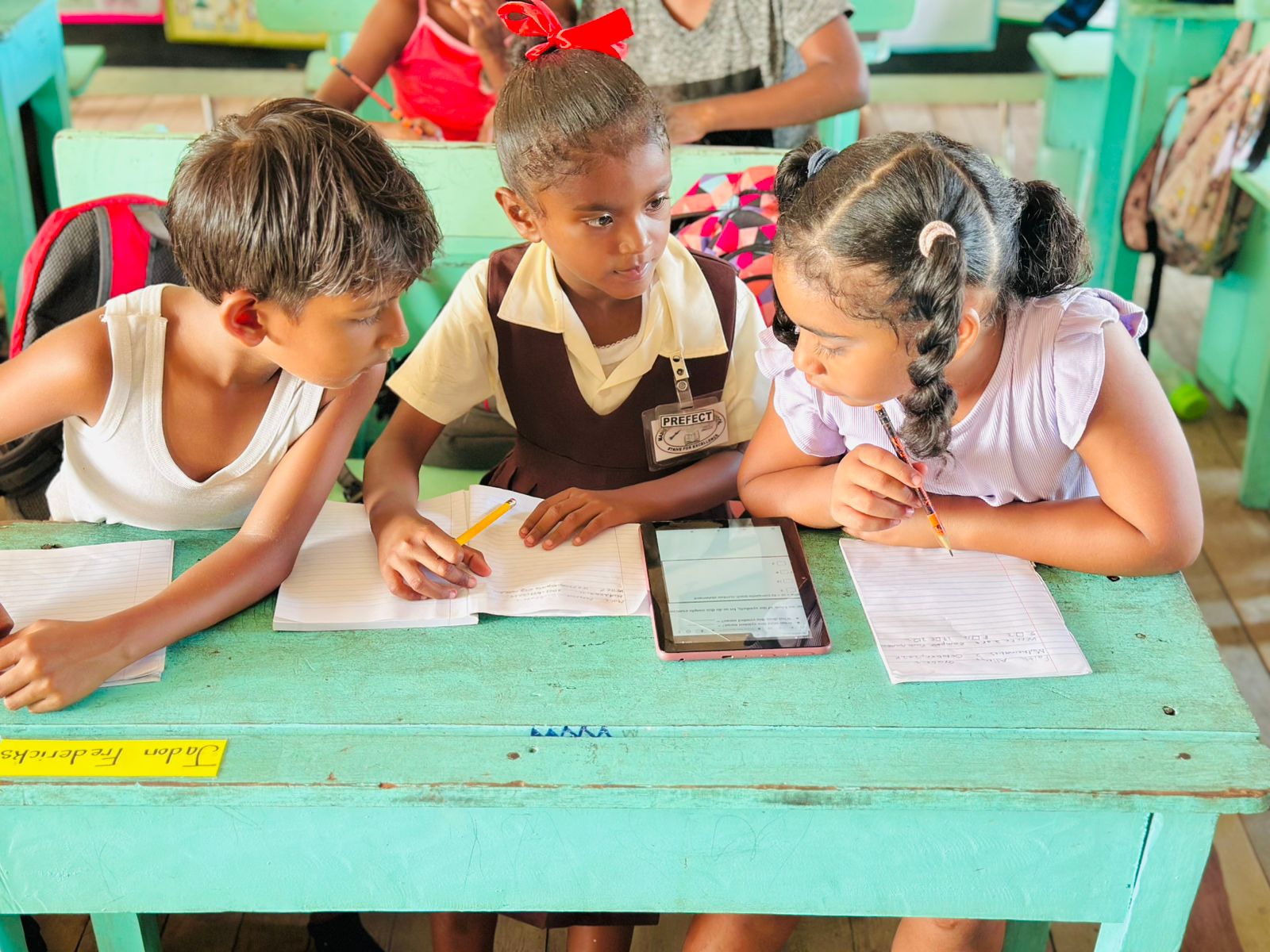
When your child comes home with a bad grade, it’s easy to feel worried. But don’t panic. That grade is more of a map than a verdict. It’s a signal that can help you understand what your child needs to succeed.
Identifying Learning Gaps Early
Spotting a learning gap early is crucial. It lets you take action before the gap widens. Imagine your child is building a tower with blocks. If one block is missing, the tower may wobble or fall. A learning gap is like that missing block. It can make your child’s education shaky.
The good news? You can find and fix these gaps. Start by talking to your child about what they’re learning. Ask teachers for feedback too. They can give you insights into where your child might be struggling. Use these insights to focus on specific skills or subjects. This approach is like fixing that missing block, helping your child build a solid foundation for learning.
Bad Grades as Signals, Not Verdicts
A bad grade can make a child feel discouraged. But it’s important to remember that grades are just one way to measure learning. Think of them as signals that point to areas where your child might need more help. They aren’t a final judgment on your child’s abilities or potential.
For example, if your child struggles with math, a low grade in that subject doesn’t mean they’re bad at math forever. It just means they need more support in that area right now. You can help by providing extra practice at home or finding a tutor. By viewing grades as signals, you can focus on the skills your child needs to improve. Over time, you’ll see progress, and so will your child.
Helping Your Child Catch Up
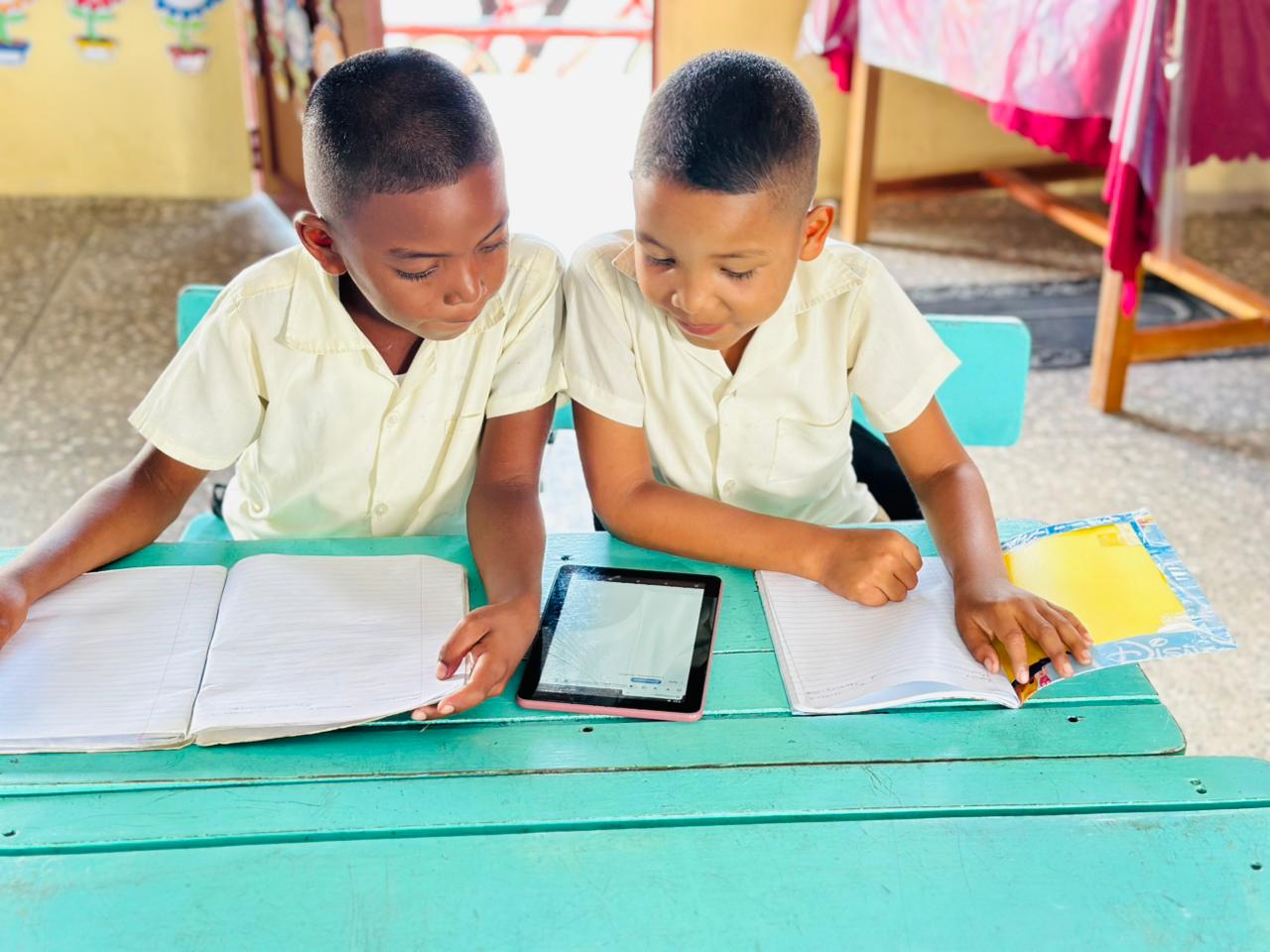
Understanding learning gaps is just the beginning. The next step is to help your child catch up. That’s where structured support comes into play.
Weekly Tracking and Targeted Lessons
Regular tracking is key to catching up. This means checking in on your child’s progress every week. Weekly assessments can show how much your child is improving. They’re like mini-reports that give you valuable information.
Targeted lessons can then address specific areas where your child needs help. For example, if they struggle with reading, focus on that. Breaking lessons into smaller, manageable chunks can make learning less overwhelming. It also helps your child feel accomplished as they master each section.
Benefits of STEMGuyana and Pathway Online Academy
STEMGuyana and Pathway Online Academy offer powerful tools to help your child succeed. They provide structured learning environments and target specific skills your child needs.
STEMGuyana’s hands-on approach makes learning engaging and fun. Kids get to build robots, code, and solve real-world problems. This not only strengthens their academic skills but also boosts their confidence.
Pathway Online Academy complements this by offering personalized lessons tailored to each child’s needs. Interactive features keep students engaged, while regular assessments show parents how much progress their child is making. Together, these programs create a well-rounded learning experience that supports both academic success and personal growth.
Taking the Next Steps
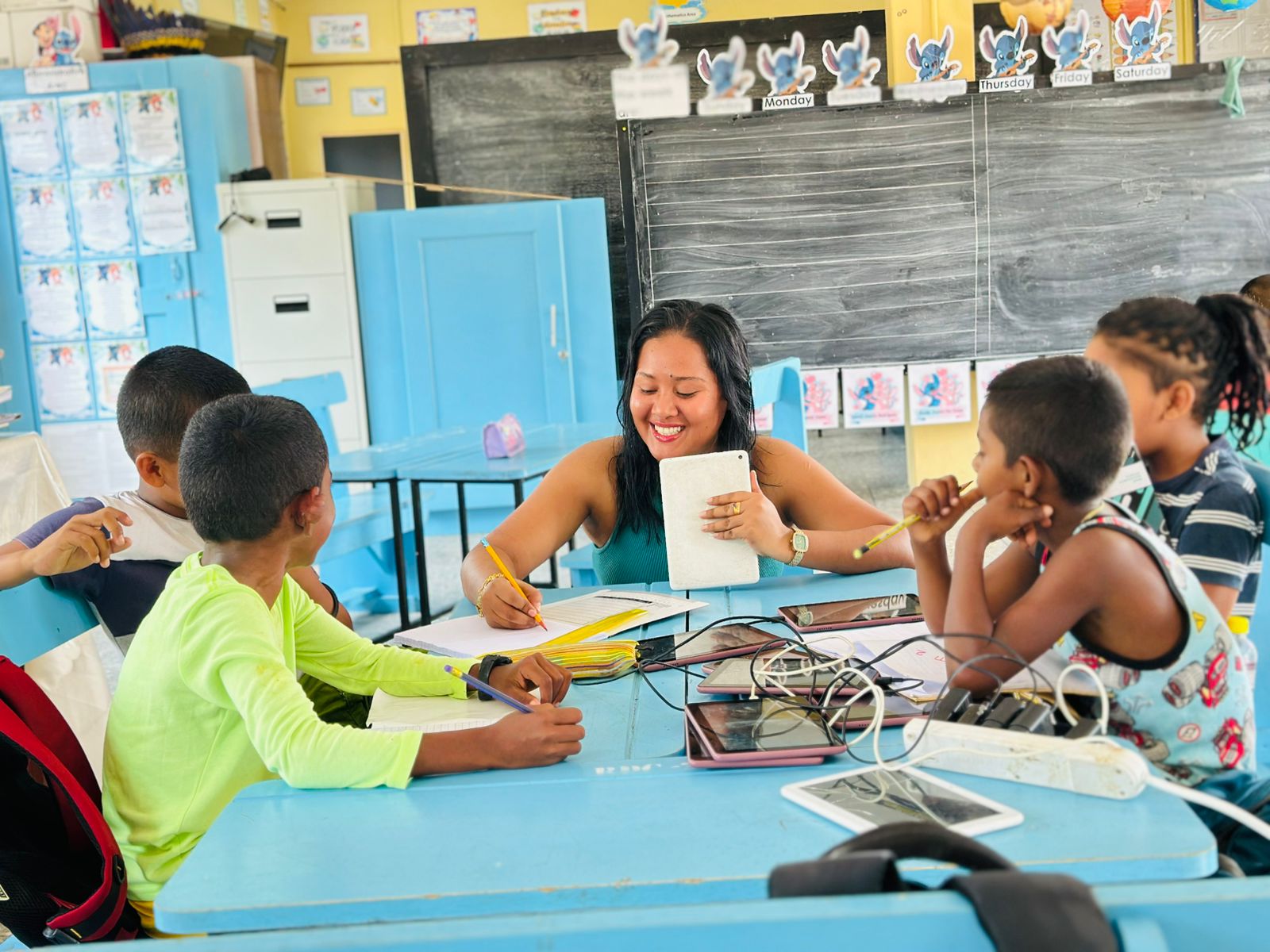
Now that you understand learning gaps and how to address them, it’s time to take action. Here’s what you can do next.
Joining a Local STEM Club
Consider enrolling your child in a local STEM club. These clubs offer a safe, supervised environment where kids can explore science, technology, engineering, and math. They also provide opportunities for your child to make new friends and develop teamwork skills. Clubs are located in various regions, including Linden, Berbice, and Essequibo, so there’s likely one near you.
Utilizing Free Learning Gap Check
Take advantage of free resources to identify learning gaps. Many organizations offer assessments that can pinpoint areas where your child might need extra help. These assessments are often quick and easy to complete, yet they provide valuable insights. By knowing where the gaps are, you can focus your efforts on the areas that matter most.
Remember, every child can succeed with the right support. STEMGuyana is here to help you and your child on this journey. Take the first step today and watch your child thrive.